
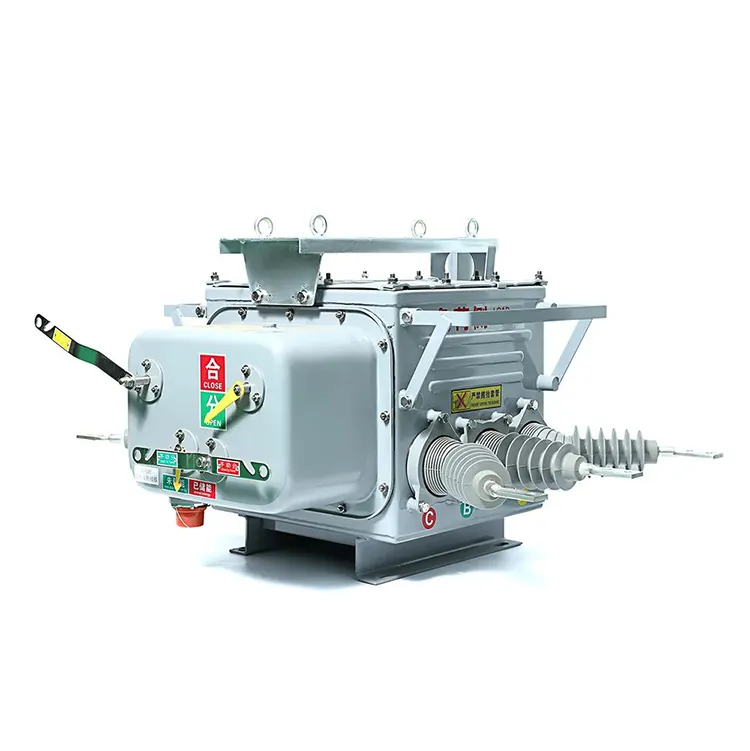
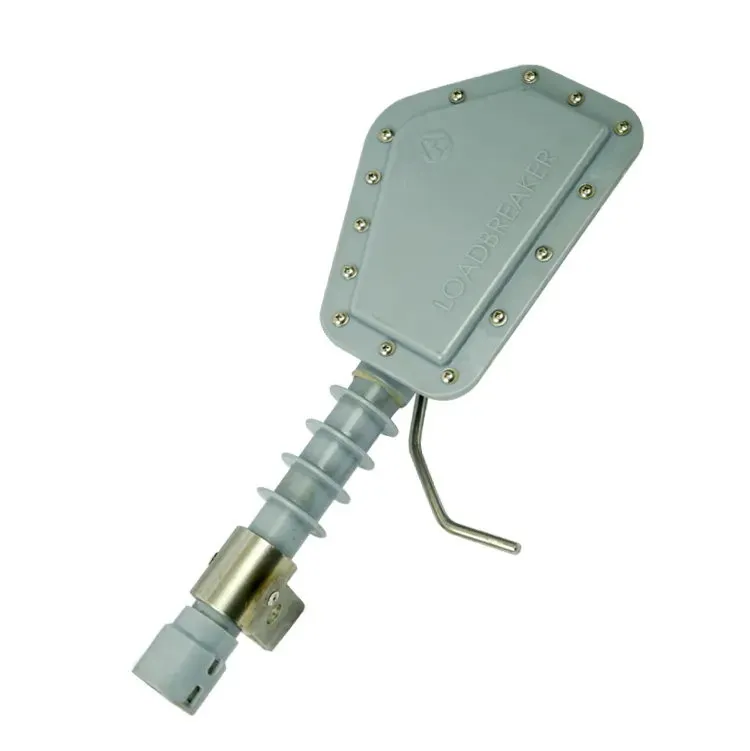


An enquiry for an 11 kV fuse price leaves several technical questions open. The buyer may need a current-limiting cartridge for enclosed switchgear, an expulsion link for an overhead cutout, or a replacement that must coordinate with a transformer and another protective device. Those products cannot be compared fairly by voltage and current alone. Even the term fuse link may describe different physical arrangements in different systems. A useful quotation starts by identifying the protected circuit and complete fuse system. This guide explains the voltage, interruption, protection-range and interface information needed to turn a broad medium-voltage enquiry into a defined equipment request.
Medium-voltage fuses must be selected for the actual system voltage, current and fault duty, protected equipment, operating characteristic and compatible assembly. Distinguish current-limiting HRC systems from expulsion systems before comparing candidates. A nominal 11 kV network description is not a complete fuse specification, and choosing a higher marked voltage does not remove the need for application review. For installations within its scope, 29 CFR 1910.303 requires equipment suitability and adequate interruption capability. Obtain the manufacturer’s ratings and curves for the exact fuse-and-holder arrangement, including any limits on its protective operating range.
How is the voltage class matched to the system?
Start with the nominal system voltage and its applicable maximum operating voltage, then identify the equipment and insulation requirements. Confirm the intended AC frequency, earthing arrangement and service conditions where these affect the application. The fuse’s voltage rating is not a trip setting: it is part of the interruption and insulation duty.
Do not treat a higher voltage class as an automatic upgrade. The manufacturer must confirm suitability for the actual circuit and arrangement, including interruption behaviour and any relevant switching overvoltage considerations. The overhead cutout ratings guide addresses the assembly-specific checks for that equipment category.
How do current-limiting and expulsion fuse systems differ?
They use different constructions and interruption methods. A current-limiting fuse is designed to limit fault-current let-through under its specified conditions. An expulsion fuse system controls interruption through its link, tube and associated assembly. Their dimensions, handling methods, protection range and installation requirements differ.
| Selection issue | Current-limiting fuse system | Expulsion fuse system |
|---|---|---|
| Interruption data | Check rated fault duty and applicable let-through data | Check the link-and-assembly interruption duty |
| Protection range | Confirm whether other protection is needed below its specified range | Confirm the actual link characteristic and coordination |
| Physical interface | Cartridge contacts, dimensions and any specified striker arrangement | Link, carrier, tube and operating assembly |
| Procurement description | Exact fuse designation and compatible equipment | Exact link plus cutout and supply scope |
A high upper breaking capacity does not prove that a fuse can interrupt every smaller overcurrent. Some medium-voltage current-limiting fuses have a specified minimum interrupting current and depend on coordinated equipment for other conditions. Ask for the actual protection range rather than assuming that the HRC label means full-range protection. The fuse construction reference provides the general distinction; the product documentation must establish the specific limits.
Why must an expulsion link match its cutout?
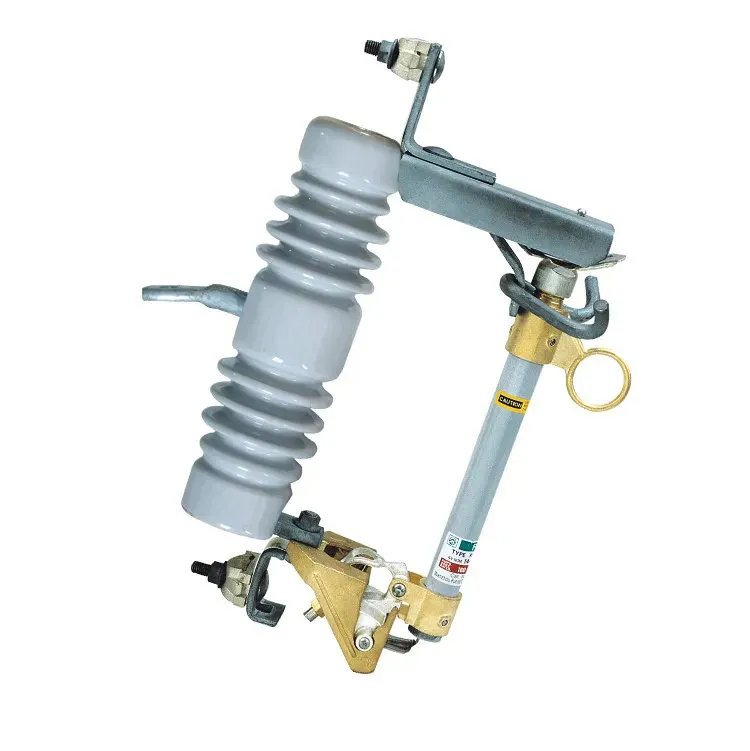
The link works within a defined carrier and interruption assembly. Its connection features, dimensions and time-current characteristic need to match the approved system. A link with the same ampere marking is not necessarily a mechanical or protective equivalent.
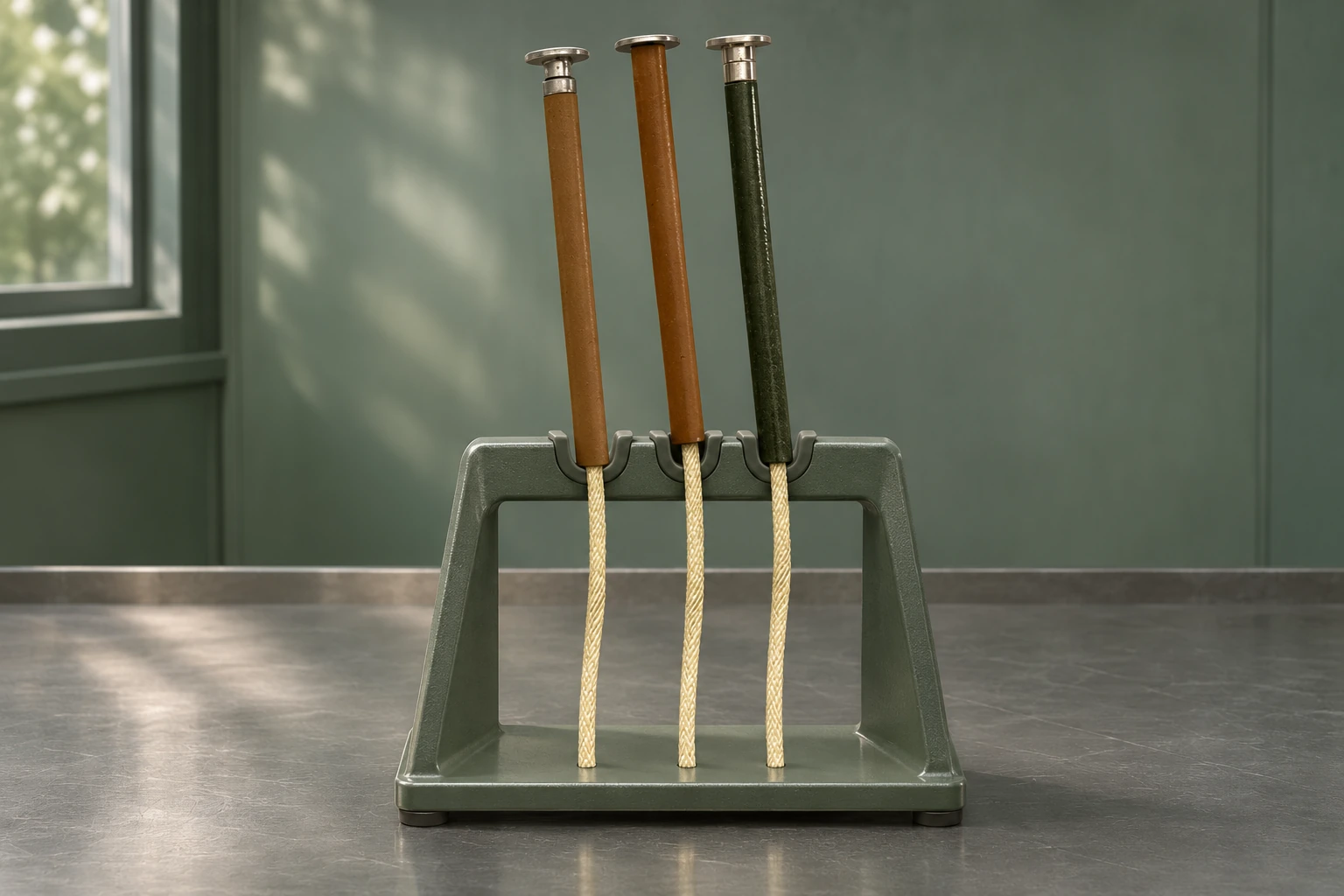
The illustrated medium-voltage fuse links are expulsion links, not HRC cartridges. Fuerte lists these separately from its NT HRC products, which helps identify the correct enquiry category. For the overhead arrangement, use the fuse-link and cutout matching information to keep the link designation, assembly model and included components together.
Which transformer data affect the fuse choice?
Obtain transformer rating, primary and secondary voltages, impedance, connection and the manufacturer’s protection information. Normal primary current is only one input. Energization inrush, permissible loading, damage characteristics and coordination with secondary and upstream protection can affect the selected fuse characteristic.
For a three-phase transformer, apparent power divided by the square root of three and line-to-line voltage gives the nominal line current when consistent units are used. That arithmetic does not determine the fuse by itself. Applying a fixed multiplier without considering inrush, overload protection and fault coordination can miss the actual duty. Request the relevant curve comparison instead of accepting a current chosen solely from transformer kVA.
| Information for an 11 kV enquiry | 目的 | Supplier response to request |
|---|---|---|
| System voltage and maximum operating conditions | Establish voltage and insulation duty | Applicable rating and installation limits |
| Protected equipment and load data | Assess normal current and transients | Proposed characteristic and selection assumptions |
| 可用故障容量 | Check interruption capability | Rated interruption data and protection-range limits |
| Existing holder or switchgear | Resolve the physical and functional interface | Exact dimensional drawing and compatibility statement |
| Quantity and delivery scope | Make quotations commercially comparable | Included links, carriers, accessories and documents |
What should be checked when the supplied links arrive?
Compare the delivery with the approved part designation, quantity, markings, drawing and packaging requirements. Confirm that the technical records refer to the supplied variant. A family catalogue or a report for another rating should not be accepted as if it identifies the delivered item.
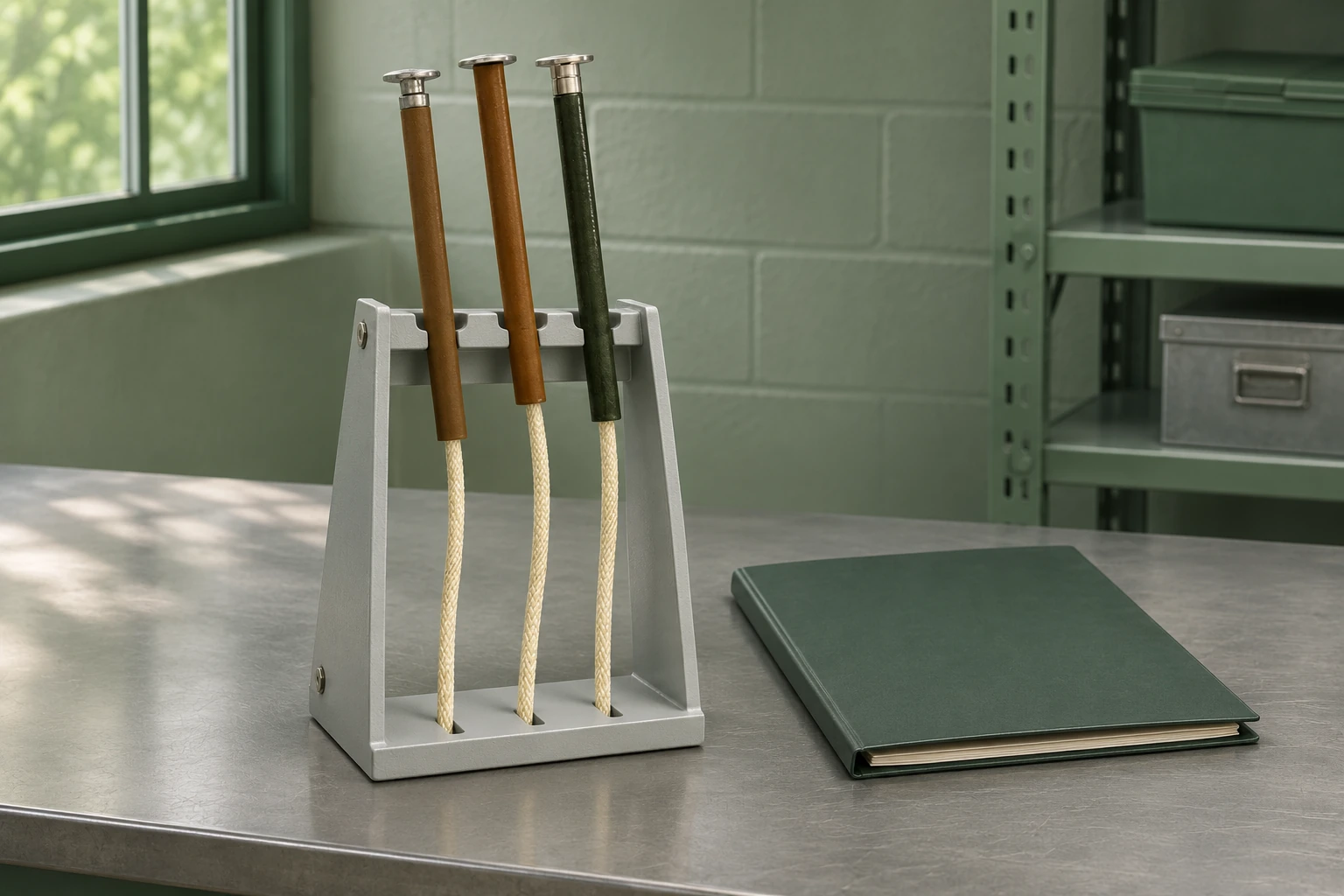
一个 11kV HRC fuse price comparison is meaningful only after that scope is settled. A unit price for a link should not be compared with a complete cutout or a package including accessories and test documents. For medium-voltage fuse links, retain the agreed characteristic and interface details with the purchase record so a later reorder does not revert to an incomplete voltage-and-current description.
常见问题
What is a medium-voltage fuse?
It is a fuse intended for the specified medium-voltage equipment and circuit duty. The product may use current-limiting or expulsion construction, so the term alone does not identify its protection range or physical arrangement.
How is fuse voltage class matched to a system?
Check nominal and maximum operating voltage, equipment and insulation requirements, frequency and other relevant system conditions against the exact product’s documented application limits.
How do HRC fuses differ from expulsion fuse links?
Current-limiting HRC and expulsion systems use different interruption constructions and assemblies. Their protection range, let-through behaviour, dimensions and handling requirements must be assessed separately.
Which transformer data affect fuse selection?
Transformer kVA, voltages, impedance, connection, inrush, loading and protection or damage characteristics can matter. Coordinate the fuse with the transformer and the other protective devices rather than using primary current alone.
What breaking-capacity information is needed?
Obtain the rated maximum interruption duty under the applicable conditions and any minimum-interrupting or protection-range limits. Compare these with the actual fault duty and coordinated protection scheme.
Why must the fuse and holder interface be checked?
The contacts, dimensions, retention, carrier and any operating features must suit the approved assembly. Electrical similarity does not establish physical or functional interchangeability.
What information is required for an 11kV fuse quotation?
State the system and equipment duty, fuse construction, exact interface, available fault information, required curves and documents, quantity and supply scope. Identify whether the request is for a link or complete assembly.
Which curves and test reports should a supplier provide?
Request the applicable time-current information, any needed current-limiting or energy data, dimensional drawings and relevant test evidence. Confirm the report identifies the proposed design and rating, including its protection-range limits.
参考文献
来源已于23年11月2026日核实。.
摘要
A medium-voltage fuse enquiry should define the protection duty before it asks for a price. Establish the system conditions and protected equipment, choose the appropriate fuse system, then check its complete operating range and coordination. Confirm the holder and connection details independently of the current rating. Document any proposed alternative explicitly. Keep quotation scope precise so a replacement link is not compared with a complete assembly or a different documentation package. Fuerte’s expulsion fuse-link listing provides the relevant product identity for overhead cutout enquiries; send the cutout model, required characteristic and project conditions when requesting the exact link and supporting documents.